

Event Five
It all begins with an idea. Maybe you want to launch a business. Maybe you want to turn a hobby into something more. Or maybe you have a creative project to share with the world. Whatever it is, the way you tell your story online can make all the difference.

Event Four
It all begins with an idea. Maybe you want to launch a business. Maybe you want to turn a hobby into something more. Or maybe you have a creative project to share with the world. Whatever it is, the way you tell your story online can make all the difference.

Event Three
It all begins with an idea. Maybe you want to launch a business. Maybe you want to turn a hobby into something more. Or maybe you have a creative project to share with the world. Whatever it is, the way you tell your story online can make all the difference.

Event Two
It all begins with an idea. Maybe you want to launch a business. Maybe you want to turn a hobby into something more. Or maybe you have a creative project to share with the world. Whatever it is, the way you tell your story online can make all the difference.

Event One
It all begins with an idea. Maybe you want to launch a business. Maybe you want to turn a hobby into something more. Or maybe you have a creative project to share with the world. Whatever it is, the way you tell your story online can make all the difference.
Participatory Science Platforms: An overview and updates (2025)
No matter where you are in your project’s lifecycle or whether you are on a custom or shared platform, this conversation with leaders from six commonly used platforms will give you insights, ideas, or inspiration for your project’s next steps.
Special Event for Librarians!
Join us for an introduction to NASA citizen science projects and a suite of digital tools to help you host a NASA Citizen Science Event in your library.

Sharing and Reflecting on the Conference for Advancing Participatory Sciences 2025
Join us to reflect on what you learned at this conference, or to hear what you missed. Starts noon ET. Register here.

An Introduction to the Open Science Data Repository’s Analysis Working Groups: "Open Science for Life in Space"
Listen and learn about space biology, the impressive accomplishments and ambitious goals of these working groups, and a model of citizen science that centers not on a single research question, but on a scientific resource.

Web Analytics Tools for Project Teams
Web analytics is the process of collecting and analyzing data to reveal visitor traffic and engagement patterns on webpages. But what tools are available, and how does a busy citizen science team make best use of them? Watch to learn the basics.

Unwrapping ROSES with Dr. Josh Pepper
Funding:On March 13 Dr. Josh Pepper, a Program Officer from NASA’s Astrophysics Division will explain the landscape of different proposal calls and share insights on how share insights on how solicitations are written, how proposals are reviewed, and how funding is handled.

NASA’s Open Science Data Management Plans, Requirements, and Supports
OpenData Management plans and long-term archives of citizen science project data: On March 6 Dr. Steven Crawford who leads NASA’s Open Science work will discuss these issues and more.

Zooniverse: A tour of new functionality
ArtificialIntelligence in practice: On February 20 the Zooniverse’s Dr. Laura Trouille joined us to share new functionality of the Zooniverse platform, including ways that Zooniverse projects are adjusting to work with new Artificial Intelligence/ machine learning tools.

Artificial Intelligence and Citizen Science
There’s a special collection on The Future of Artificial Intelligence and Citizen Science in the journal Citizen Science Theory and Practice. Our February 6 event featured the editorial team, which was led by Zooniverse’s own Dr. Lucy Fortson.

Women in Astronomy Citizen Science
Web Description:
Women hold up half the sky… but they don’t show up in these numbers in NASA-sponsored astrophysics projects. Why is this? And what can be done to welcome women when they do join projects?
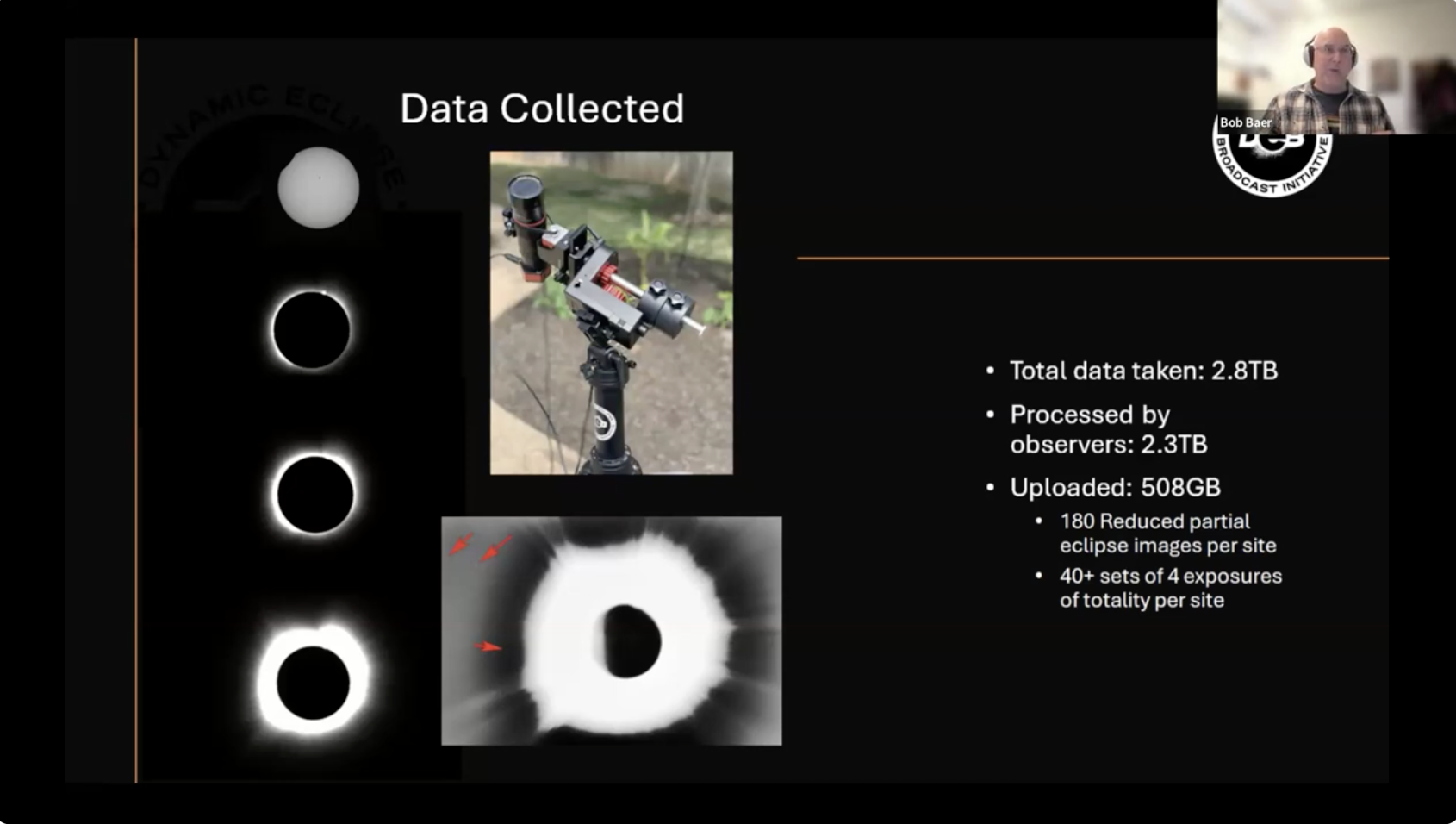
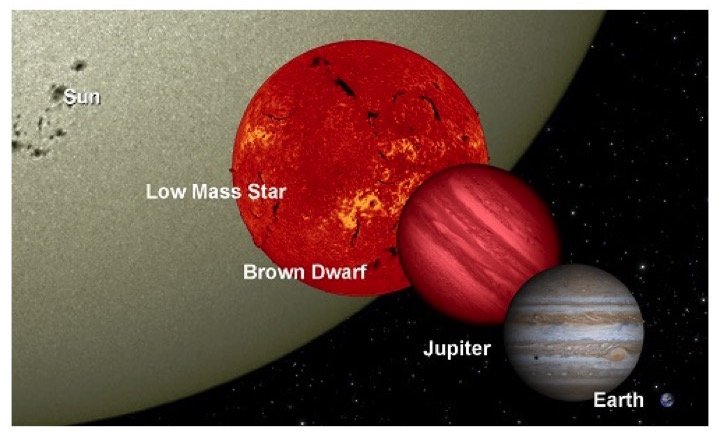

Why do they do it? Motivations of paid and unpaid participants, PLUS a preview of Drafty, a collaborative database management tool
Why do they do it? Motivations of paid and unpaid participants, PLUS a preview of Drafty, a collaborative database management tool. With Shaun Wallace, Assistant Professor of Computer Science leading the Human-Centered Experiential Technologies Lab (HAX) at University of Rhode Island; and Veselin Kostov, Planet Patrol.

Participatory science project hosting platforms: a conversation with platform managers (2023)
Hear from six commonly used web platforms hosting participatory science projects in North America: CitSci.org; Zooniverse; FieldScope; Anecdata; iNaturalist; and GLOBE Observer. While we briefly about platform updates and future plans, the program is primarily a discussion of the kinds of research and participant experiences best supported by each. No matter where you are in your citizen science project’s life cycle, this conversation will help inspire your project’s next steps.
Funding Opportunities in NASA’s Science Activation and Applied Sciences Programs
60-minute program plus 30-minute informal discussion

A Conversation on the Federal Funding Landscape for Citizen Science
Program managers from six federal agencies (NOAA, NSF, EPA, NASA, USFS, and NIEHS) share how citizen science is strategically positioned in their agencies and the funding mechanisms that support it. Historical context provided by Alison Parker of the Wilson Center.

Unwrapping ROSES, the NASA omnibus solicitation with Max Bernstein PLUS the long view with Woody Turner
Presentations by Dr. Max Bernstein on NASA’s Research Opportunities in Space and Earth Sciences solicitation and by Dr. Woody Turner on the history of NASA funding for citizen science.

What Belongs in a Budget for Citizen Science
What belongs in a citizen science budget? A presentation and discussion.

Co-authoring papers: examples, lessons learned, tips for success
Join us to hear from pairs of scientists and citizen scientists who have co-authored peer-reviewed research publications and hear their recommendations on structures and practices to help ensure your success.
Extraordinary contributions of citizen scientists & how to invite these in your project
Listen in on a whirlwind tour - presented by scientist and citizen scientist pairs - of some of the beyond-the-norm contributions by citizen scientists, and the project structures and practices that you can use in your project to invite these extraordinary contributions.
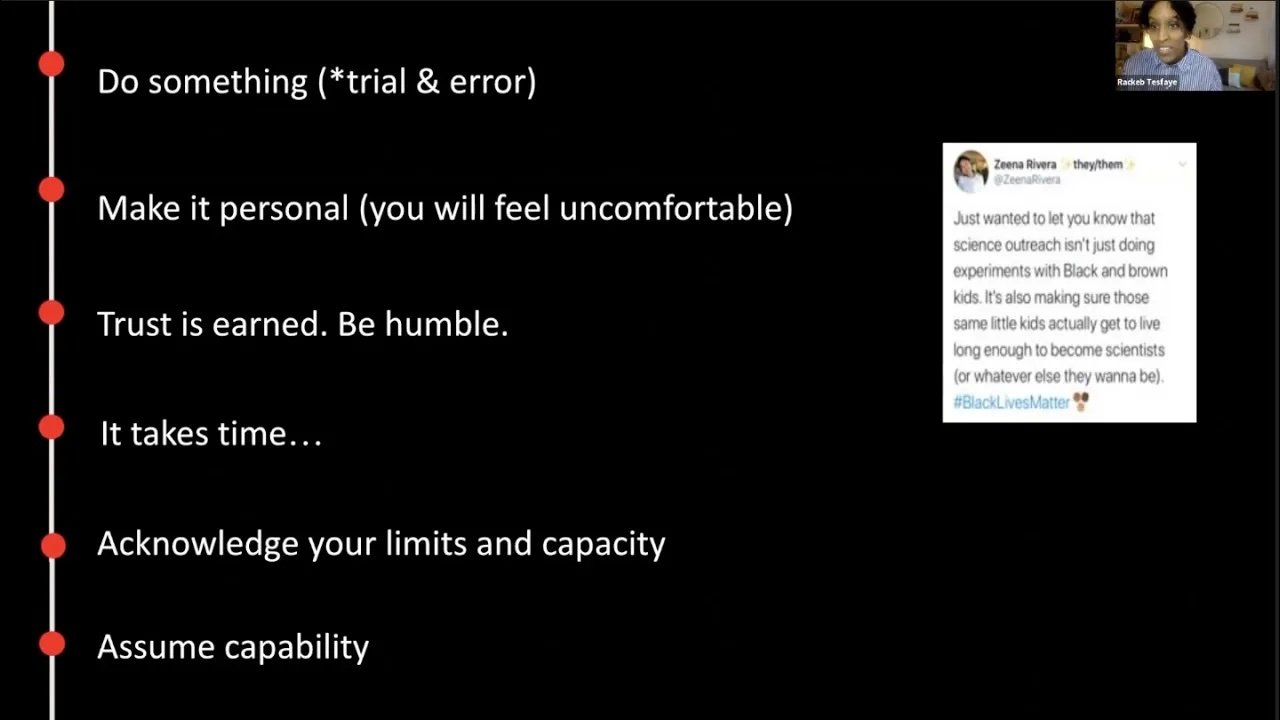
How communication can help you reach the audience you want
“Inclusive science communication” was defined in a 2020 report by the Metcalf Institute at the University of Rhode Island as “any effort to engage people in science, tech, engineering, math and medicine that is grounded in inclusion, equity, and intersectionality.” Drawing on lessons and examples from the first events in this series, we will consider strategies for making NASA citizen science project communications more inclusive. Click image for more details.

Enhancing participation through partnership
Connecting with audiences underrepresented in your citizen science project is often best accomplished in partnership with an organization or leaders who are part of or deeply familiar with that new audience. We will talk about how to identify and approach potential partners, and hear stories from citizen science colleagues about their work to reach new participants through organizational partnerships. Click image for more details and links to resources.

Anti-Racist Strategies to Broaden Citizen Science Participation
In this workshop guest speakers Lila Higgins and Miguel Ordeñana, the co-leaders of Community Science at the Natural History Museum of Los Angeles County, will share from their learning and efforts since the 2020 #ShutDownSTEM event. Click on image for details and links to recommended pre-event reading.

NASA's Open-Source Science Initiative
Special opportunity! We will begin our event with a presentation by and discussion with Kaylin Bugbee, SMD Catalog Lead for NASA’s Open-Source Science Initiative. Following this, we will gather again in breakout groups to, in the spirit of Halloween, define the skeleton of a primer on NASA citizen science data.

Citizen Science Data: Quality Is Just the Start
Keynote address by Dr. Andrea Grover, Associate Professor in Information Systems & Quantitative Analysis at the University of Nebraska at Omaha College of Information Science & Technology.