

Women in Astronomy Citizen Science
Web Description:
Women hold up half the sky… but they don’t show up in these numbers in NASA-sponsored astrophysics projects. Why is this? And what can be done to welcome women when they do join projects?

Why do they do it? Motivations of paid and unpaid participants, PLUS a preview of Drafty, a collaborative database management tool
Why do they do it? Motivations of paid and unpaid participants, PLUS a preview of Drafty, a collaborative database management tool. With Shaun Wallace, Assistant Professor of Computer Science leading the Human-Centered Experiential Technologies Lab (HAX) at University of Rhode Island; and Veselin Kostov, Planet Patrol.
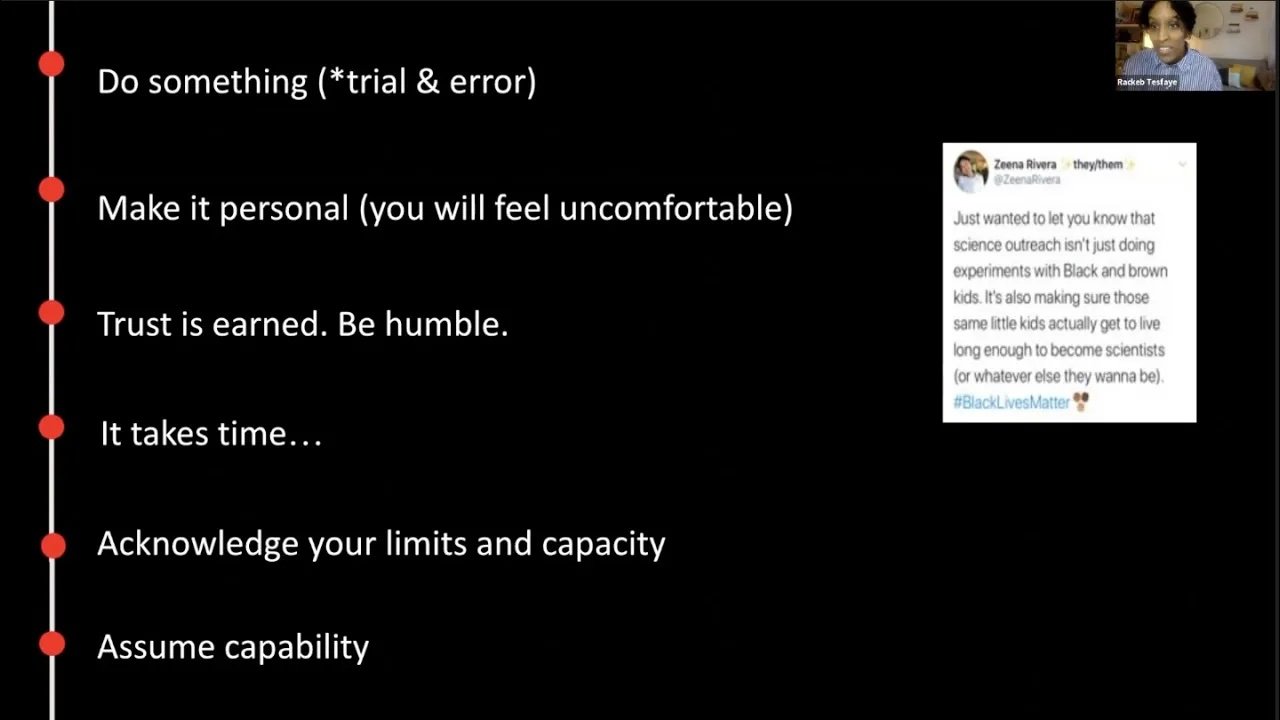
How communication can help you reach the audience you want
“Inclusive science communication” was defined in a 2020 report by the Metcalf Institute at the University of Rhode Island as “any effort to engage people in science, tech, engineering, math and medicine that is grounded in inclusion, equity, and intersectionality.” Drawing on lessons and examples from the first events in this series, we will consider strategies for making NASA citizen science project communications more inclusive. Click image for more details.

Enhancing participation through partnership
Connecting with audiences underrepresented in your citizen science project is often best accomplished in partnership with an organization or leaders who are part of or deeply familiar with that new audience. We will talk about how to identify and approach potential partners, and hear stories from citizen science colleagues about their work to reach new participants through organizational partnerships. Click image for more details and links to resources.

Anti-Racist Strategies to Broaden Citizen Science Participation
In this workshop guest speakers Lila Higgins and Miguel Ordeñana, the co-leaders of Community Science at the Natural History Museum of Los Angeles County, will share from their learning and efforts since the 2020 #ShutDownSTEM event. Click on image for details and links to recommended pre-event reading.
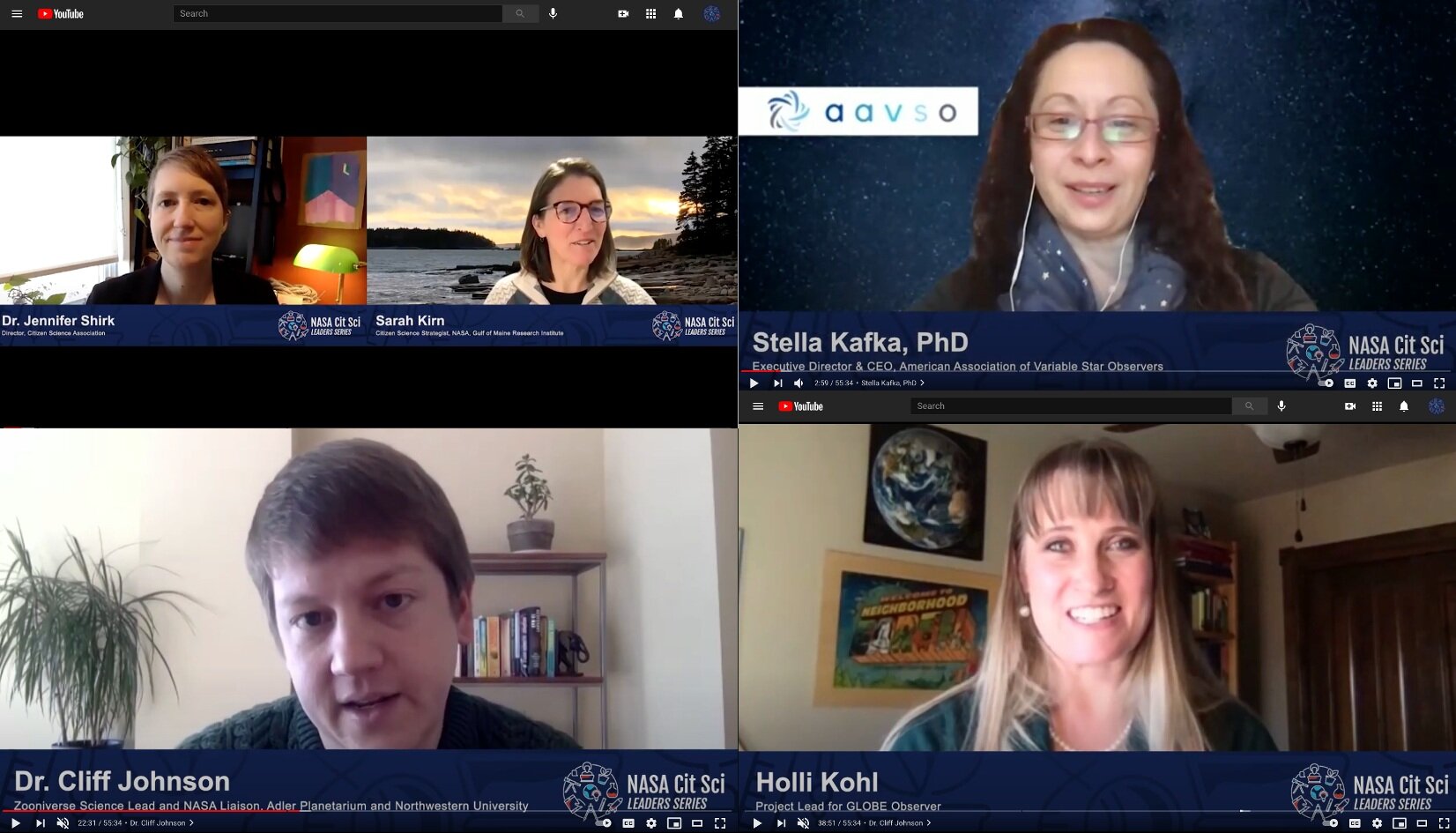
Innovative approaches to train and support volunteers
Speakers will share insights on strategies to give new volunteers the knowledge and skills they will need to be helpful to your project and concurrently motivate and deepen their participation. Speakers will address the interrelated challenges of developing skills, deepening understanding of science, and building comfort in the social practices of projects.

Engaging the people you want in your project
Whether your goal is to attract more project volunteers or to welcome a more diverse volunteer pool, how you present your project online can help or hinder. Hear inspiring stories from NASA project leaders who are working on these goals, and concrete suggestions on web communications from NASA’s own Citizen Science Communication Officer.
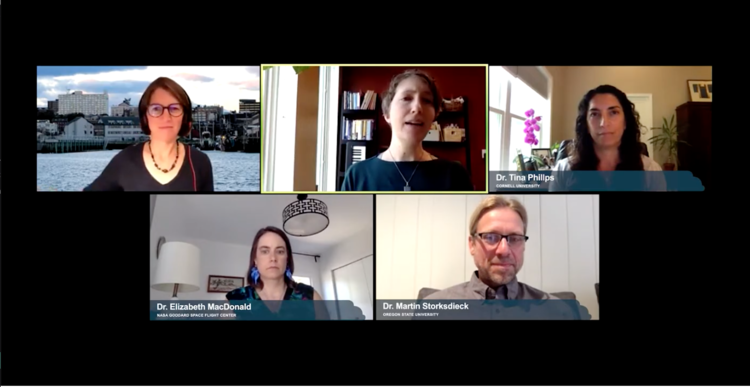
Is NASA citizen science helping the public understand the process of science? How do we know?
One of the win-win aspects of citizen science is the opportunity to support public science learning. As people engage in the process of science, they learn – don’t they? This panel features experts sharing how to design for learning – starting with naming specific goals, and working through ideas to measure outcomes.

Dive into Project Design
What citizen science projects accomplish and who participates in them has everything to do with how projects and their outreach efforts have been designed. This panel features program designers and design researchers discussing strategies to realize project ambitions.

Broadening Participation in Citizen Science, Broadening Participation in Science
Citizen science projects have demonstrated promise for engaging new audiences in the practice of science. Sometimes this is accomplished by engaging new audiences in existing investigations, sometimes by developing new investigations based on questions arising from communities typically underrepresented in science. This panel will showcase leaders dedicated to engaging underrepresented communities in citizen science.